
Oxfordshire, often affectionately associated with the dreaming spires of Oxford, is one of England’s most enchanting counties. Nestled in the South East, it is a place where ancient landscapes, world-famous learning, riverside towns, stone villages, legends, and grand architecture all meet. From prehistoric monuments to medieval colleges, and from quiet folklore to the flowing Thames, Oxfordshire has a story around every corne
Oxfordshire is best known for the city of Oxford, home to one of the oldest and most prestigious universities in the world. But the county is much more than its famous city. It includes charming market towns such as Woodstock, Witney, Banbury, Henley-on-Thames, Abingdon, and Chipping Norton, as well as rolling countryside, Cotswold villages, and historic river valleys.
The county’s character comes from a mixture of scholarship, rural tradition, royal connections, and centuries of English history.
A Brief History of Oxfordshire
Oxfordshire’s history stretches back thousands of years. Long before Oxford University was founded, the area was inhabited by prehistoric communities who left behind burial mounds, hill figures, and mysterious stone circles.
During the Roman period, roads and settlements developed across the region. Later, in the Anglo-Saxon age, Oxford grew as a strategic settlement near the crossing of the River Thames. Its name is thought to come from “Oxenaforda,” meaning a ford where oxen could cross.
By the medieval period, Oxford had become a major centre of learning. The University of Oxford began to develop in the 12th century and soon attracted scholars from across Europe. Over time, Oxford became famous as a city of books, debate, religion, and politics.
Oxfordshire also played an important role during the English Civil War. King Charles I made Oxford his royalist capital from 1642 to 1646, turning the city into a centre of military and political activity.
The Culture of Oxfordshire
Oxfordshire’s culture is a blend of academic tradition, rural life, literature, music, and local customs.
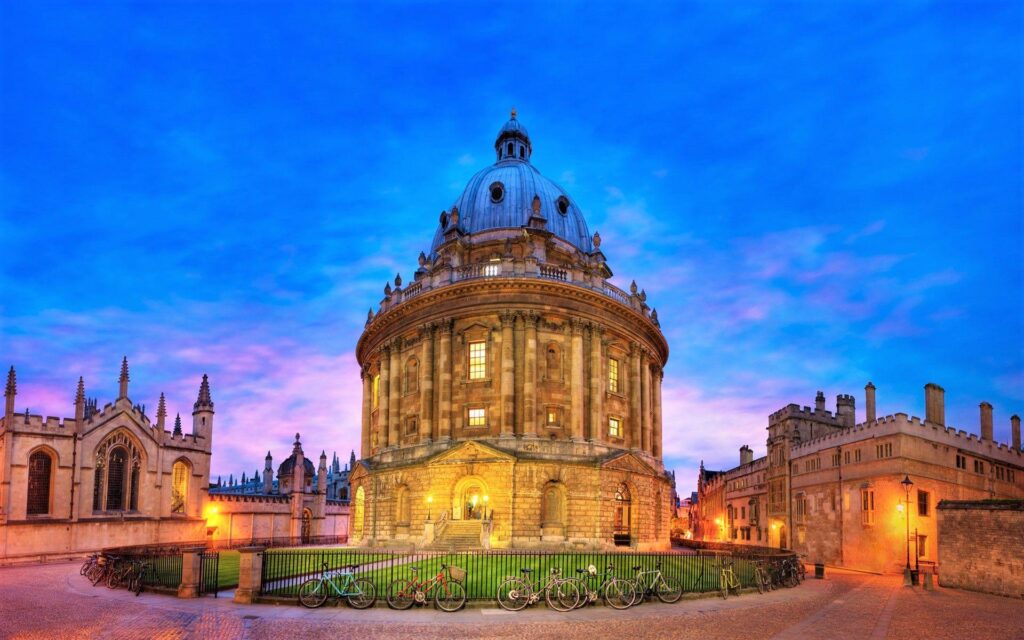
Oxford itself has a unique cultural atmosphere. Its colleges, libraries, museums, theatres, and bookshops make it a place deeply connected with learning and creativity. The Bodleian Library, Ashmolean Museum, and Sheldonian Theatre are all central to the city’s cultural identity.
Beyond the city, the county has strong rural traditions. Market towns still host fairs, farmers’ markets, and seasonal celebrations. Morris dancing, folk music, village fêtes, and local festivals remain part of Oxfordshire life.
Oxfordshire has also inspired many writers. Lewis Carroll, author of Alice’s Adventures in Wonderland, lived and worked in Oxford. J.R.R. Tolkien and C.S. Lewis, both connected with the university, helped shape modern fantasy literature. The county’s lanes, rivers, colleges, and countryside have appeared in countless novels, poems, and films.
Oxfordshire is rich in folklore, with stories that reach back into ancient Britain.
One of the most famous legendary sites is the Uffington White Horse, a huge prehistoric chalk figure carved into the hillside. Near it lies Dragon Hill, where legend says St George slew the dragon. According to the tale, the dragon’s blood poisoned the ground, leaving a bare patch where grass still struggles to grow.
Another mysterious landmark is the Rollright Stones, a circle of ancient stones near the Oxfordshire-Warwickshire border. Folklore says they were once a king and his army, turned to stone by a witch. The stones have long been associated with magic, prophecy, and strange happenings.
Oxfordshire is also home to Wayland’s Smithy, a Neolithic burial chamber linked to the legendary blacksmith Wayland. Local tradition says that if a traveller left a horse and payment there overnight, the mysterious smith would shoe the horse by morning.
Architecture in Oxfordshire
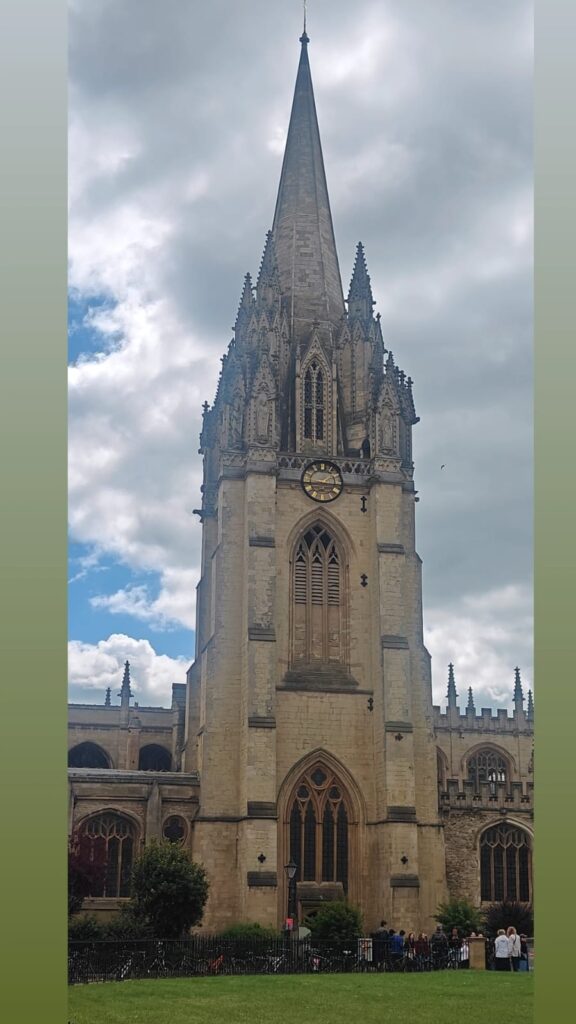
Oxfordshire’s architecture is one of its greatest treasures. The city of Oxford is famous for its “dreaming spires,” a phrase made popular by the poet Matthew Arnold. Its skyline is filled with college towers, chapels, domes, and Gothic windows.
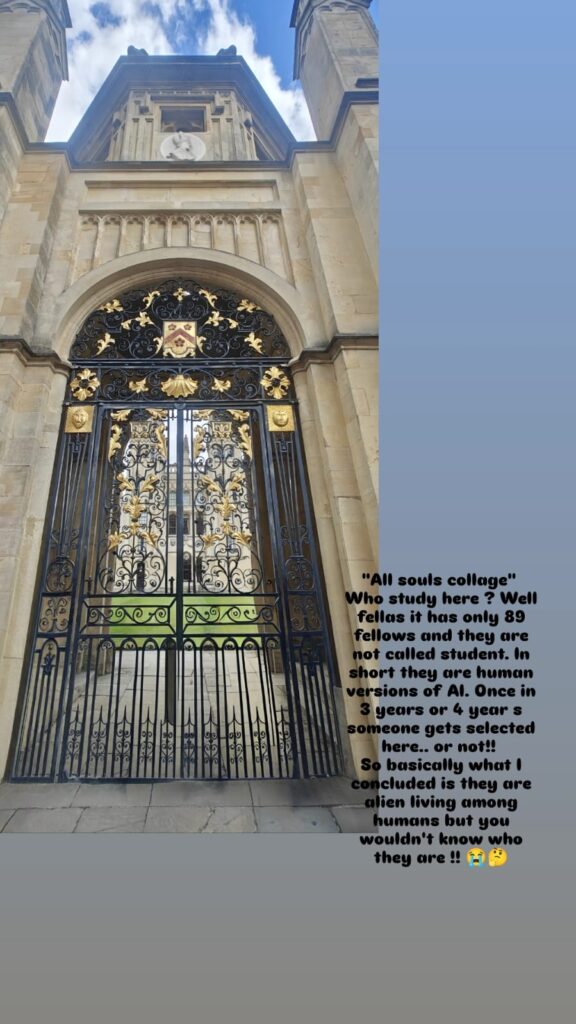
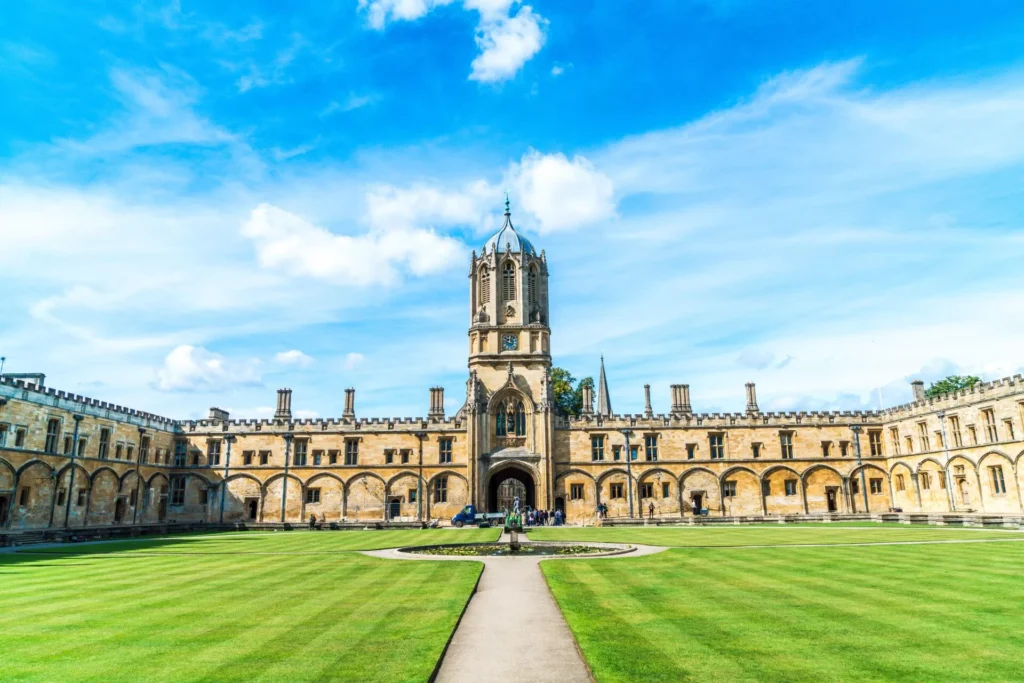
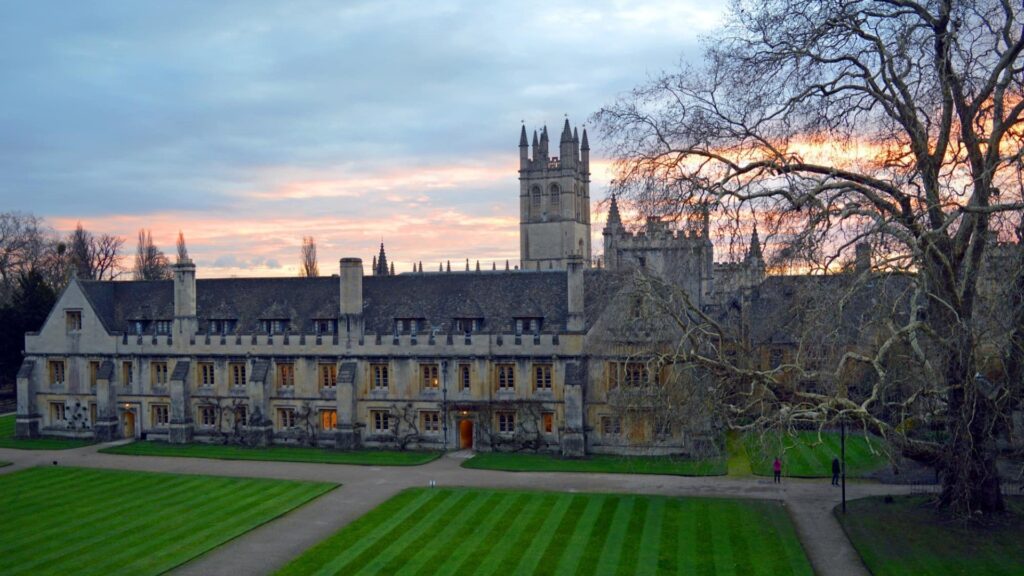
Oxford University’s colleges show a wide range of architectural styles, from medieval stone halls to classical quadrangles. Christ Church, Magdalen College, New College, and All Souls are among the most admired.
Beyond Oxford, Blenheim Palace near Woodstock is one of the county’s grandest buildings. A UNESCO World Heritage Site, it was the birthplace of Winston Churchill and remains a masterpiece of English Baroque architecture.
In the countryside, many villages are built from warm honey-coloured Cotswold stone. These cottages, churches, manor houses, and market squares give Oxfordshire much of its timeless charm.
While Oxford is the county’s most famous destination, Oxfordshire’s towns and villages are equally worth exploring.
Woodstock is known for Blenheim Palace and its historic streets.
Henley-on-Thames is famous for rowing and riverside beauty.
Banbury has its nursery rhyme connection with “Ride a cock horse to Banbury Cross.”
Witney was historically known for its woollen blankets.
Abingdon is one of England’s oldest towns, with a rich abbey history.
Each place adds its own chapter to Oxfordshire’s story.
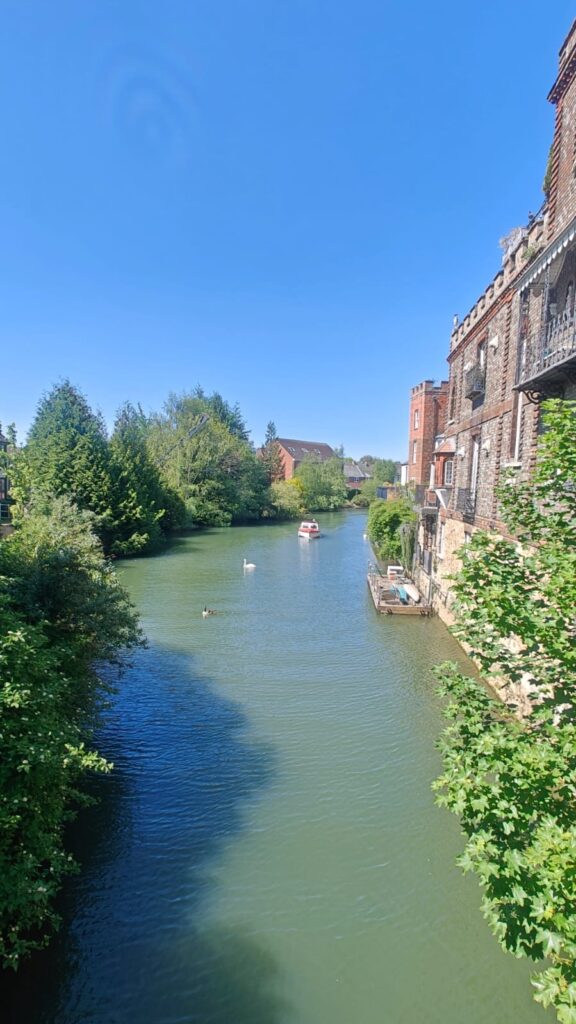
The Rivers of Oxfordshire rivers are central to Oxfordshire’s landscape and identity. The most famous is the River Thames, which flows through the county and is sometimes called the Isis in Oxford. The Thames has shaped the county’s towns, trade, farming, and leisure for centuries.
Oxford grew partly because of its position near river crossings. Today, punting on the rivers is one of the city’s most iconic activities. The River Cherwell, which joins the Thames in Oxford, is especially associated with peaceful punts, willow trees, and college meadows.
Other waterways, including the River Windrush, River Evenlode, and Oxford Canal, add to the county’s rural beauty. They connect villages, meadows, and historic towns, offering quiet walking routes and glimpses of wildlife.
Why Oxfordshire Still Captivates Visitors
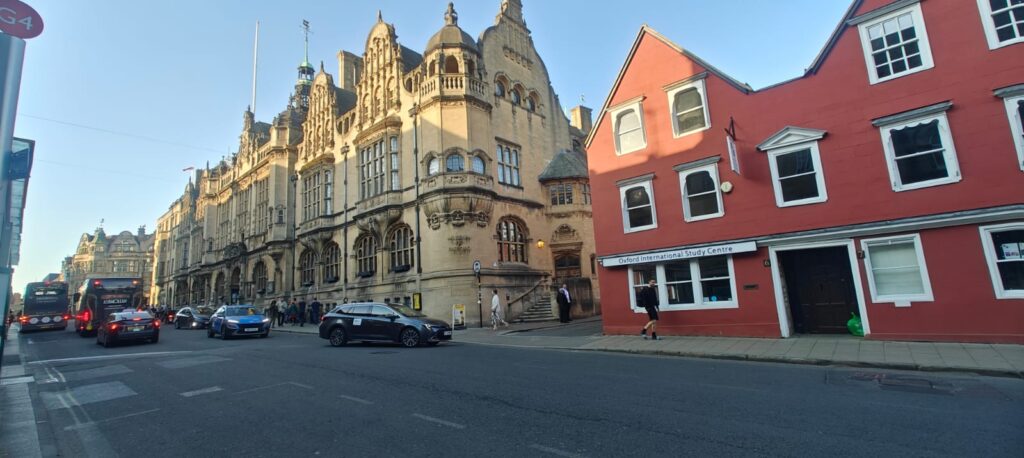
Oxfordshire continues to captivate people because it feels both ancient and alive. It is a county where scholars walk the same streets as medieval monks once did, where rivers still carry punts under old bridges, and where legends remain attached to hills, stones, and villages.
Its history is grand, but its charm is often found in small details: a quiet college courtyard, a village church bell, a riverside path, a stone cottage at sunset, or an old tale told in a country pub.
Oxfordshire has a strong tradition of local food and drink. Farmers’ markets, country pubs, bakeries, and village shops showcase regional produce. The county’s rural areas offer cheeses, meats, ales, and seasonal foods.
Festivals are also part of local life. Oxford hosts literary, music, science, and arts festivals, while smaller towns celebrate with fairs, regattas, and community events. Henley Royal Regatta is one of the county’s most prestigious annual events, attracting visitors from around the world.
Conclusion
Oxfordshire is a county of deep history, rich culture, memorable folklore, flowing rivers, and remarkable architecture. It is a place where England’s past and present meet beautifully. Whether you are drawn by Oxford’s famous university, the mystery of ancient legends, the calm of the Thames, or the beauty of Cotswold villages, Oxfordshire offers a journey full of discovery.
Writer
Shikha Babelay